The Registers/Entry 4.03/One technique, and what it can and cannot carry
The Interpol Gateway
Cross-border comparison needs agreement on which sites everybody reads.
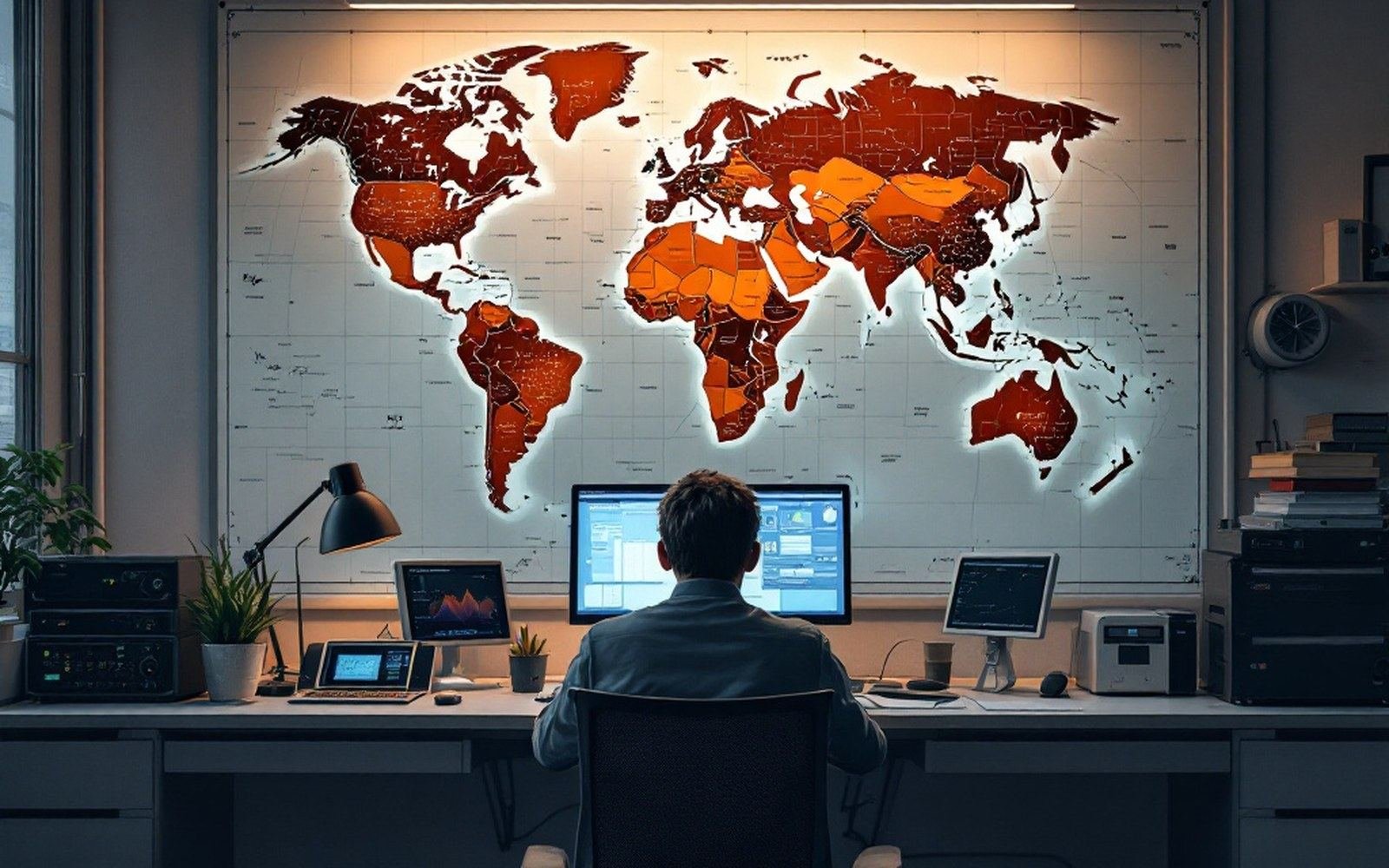
When a profile crosses a border, the sites it carries had better match the sites on the other side.
One language for twenty standards
Every national DNA database runs on its own set of genetic sites — its own STR loci — chosen to satisfy domestic legislation, match available instruments, and align with the core sets defined by bodies like NIST or the European Network of Forensic Science Institutes. The United States expanded its CODIS core from thirteen to twenty loci in 2017. European databases cluster around the set recommended by ENFSI. Neither list is identical to the other, and neither is identical to what a laboratory in Asia or Latin America may be running. The result is a mosaic of overlapping but non-congruent systems — fine within borders, awkward across them.
Interpol ↗'s role is to provide the gateway: a defined set of sites that member countries agree to include in any profile they submit for international comparison, regardless of whatever larger panel they run domestically. That agreed set is sometimes called the Interpol Standard Set of Loci, or ISSOL. A country uploading a profile to Interpol's DNA Gateway does not need to share its entire profile — only the allele calls at the agreed loci. If those calls overlap sufficiently with a profile from another member country's submission, the Gateway flags the candidate match and routes the information to the relevant national contact points. The actual investigation stays with the member states; Interpol does not itself make identifications or conclusions.
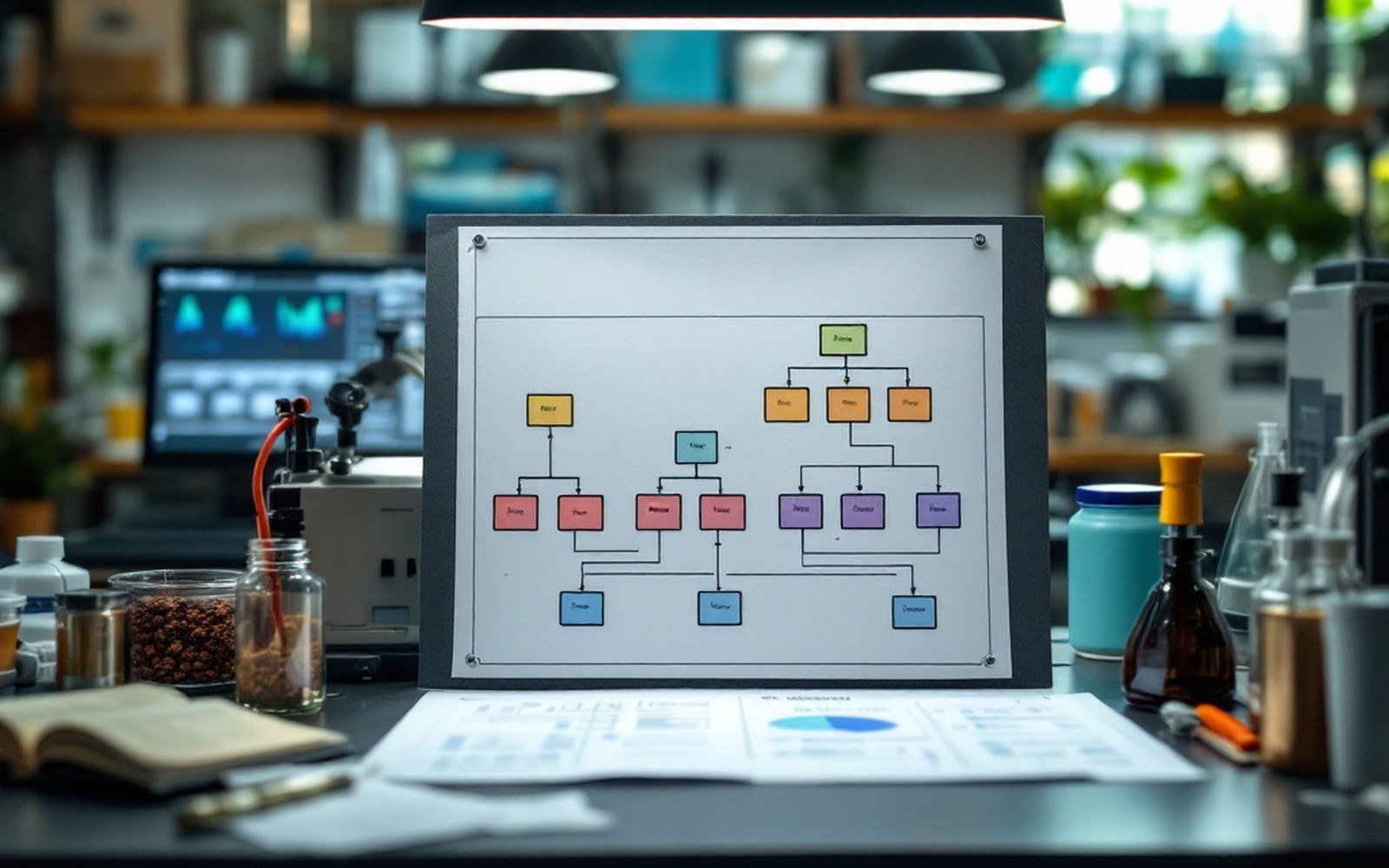
The Gateway is hit-driven and human-supervised. A software comparison finds candidate pairs above a similarity threshold; trained national contact points then assess whether the candidate is worth pursuing through formal mutual legal assistance channels. The Interpol DNA Gateway has grown to include profiles contributed by member countries across multiple continents, making it the closest thing to a functioning international index.
The deeper technical challenge is not the comparison itself but the quality of what arrives. A profile generated on an older multiplex at a laboratory with no external validation programme may carry errors that propagate silently through any comparison. This is why international exercises run by ENFSI — and the standards work done through bodies like the Scientific Working Group for DNA Analysis Methods, SWGDAM ↗ — matter beyond their domestic context: they push toward a common floor of reliability. Without that floor, a gateway is only as good as the worst contributor in it.
Cross-border DNA comparison is not automatic, and it is not a single global database. It is a chain of agreements, matched loci, and national gatekeepers — and every link in that chain can fail.
From the register
How the system works
- ISSOL (Interpol Standard Set of Loci)
- the agreed sites a member country must include in any profile submitted for international comparison
- Allele calls
- the numerical values at each locus that are actually compared across the Gateway
- Candidate match
- a similarity-threshold hit flagged by software, requiring human review by national contact points before any action
- Mutual legal assistance
- the formal legal channel through which a candidate match becomes an investigative step